
What Is Zhangjiajie Mei Tea, and Will Foreigners Like It?
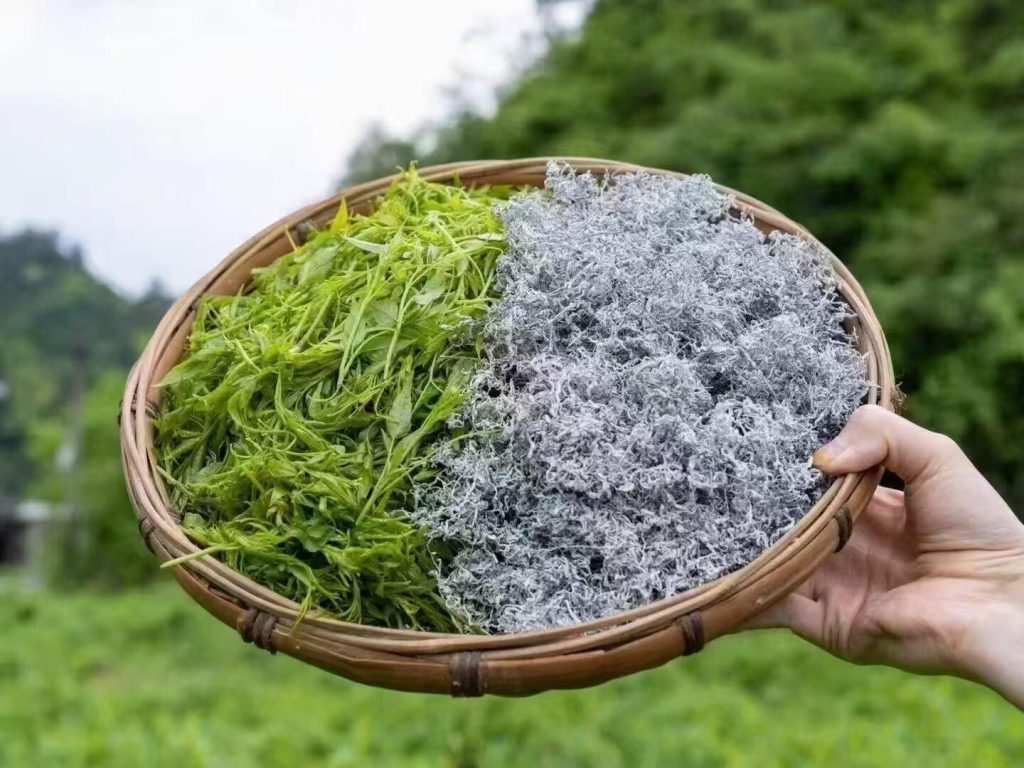
Zhangjiajie mei tea is not made from tea leaves. It comes from the young shoots of a wild vine, Ampelopsis grossedentata, a relative of the grape. English speakers call it vine tea. “Berry tea” is a literal translation of the Chinese name and a misleading one — there is no berry in the cup. The Tujia people have brewed it for centuries and call it Tujia divine tea. It received a geographical indication as Maoyan meicha in November 2010, covering the Maoyan River area of Yongding District, and was approved as a new food ingredient in 2013.
What is it, and what does it taste like?
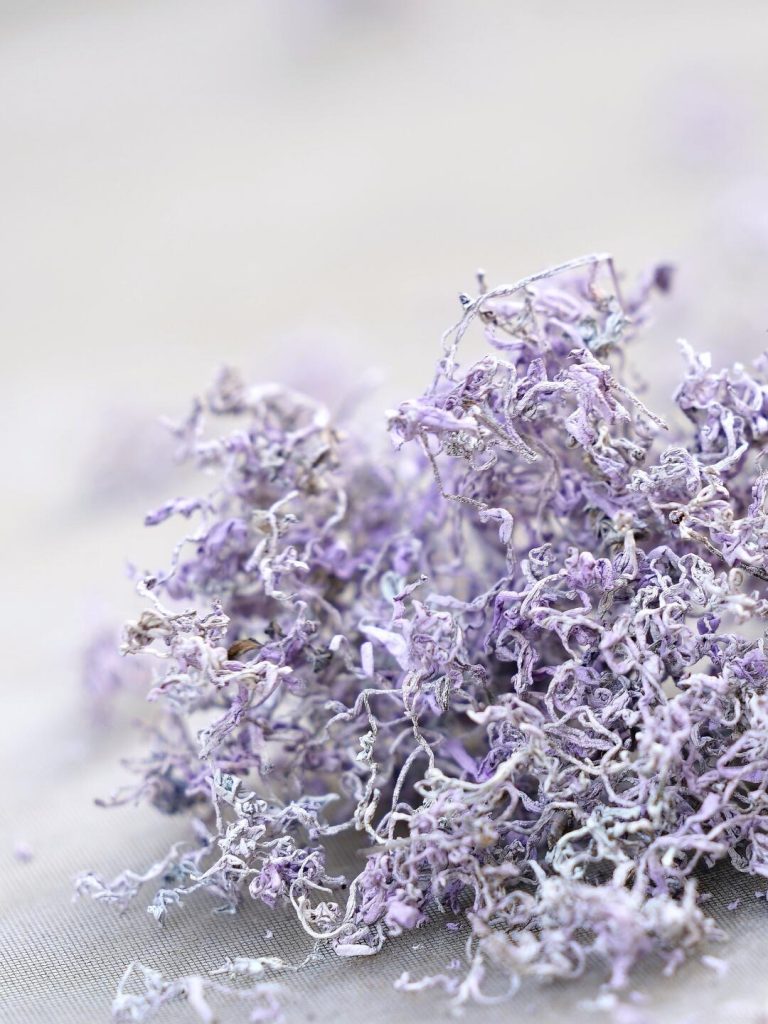
The dry leaves look mouldy. They are not. During processing the leaf cells are broken open, and flavonoids — chiefly dihydromyricetin, or DMY — move to the surface and crystallise as the leaf dries. That white frost holds much of the flavour, so never rinse it off. A 2021 study in Hunan Agricultural Sciences measured total flavonoids at 300 to 400 grams per kilogram of dried leaf, with DMY making up 70 to 80 percent of that. Higher figures online usually need a test report behind them.
The first sip is bitter, closer to raw cucumber than to green tea. Within two or three seconds the bitterness drops away and a sweetness rises from the throat. Drink plain water afterwards and the water tastes sweet. Researchers still debate the mechanism — the current explanation involves flavonoids acting on taste receptors and the contrast that follows a bitter note — but almost everyone describes the same sequence.
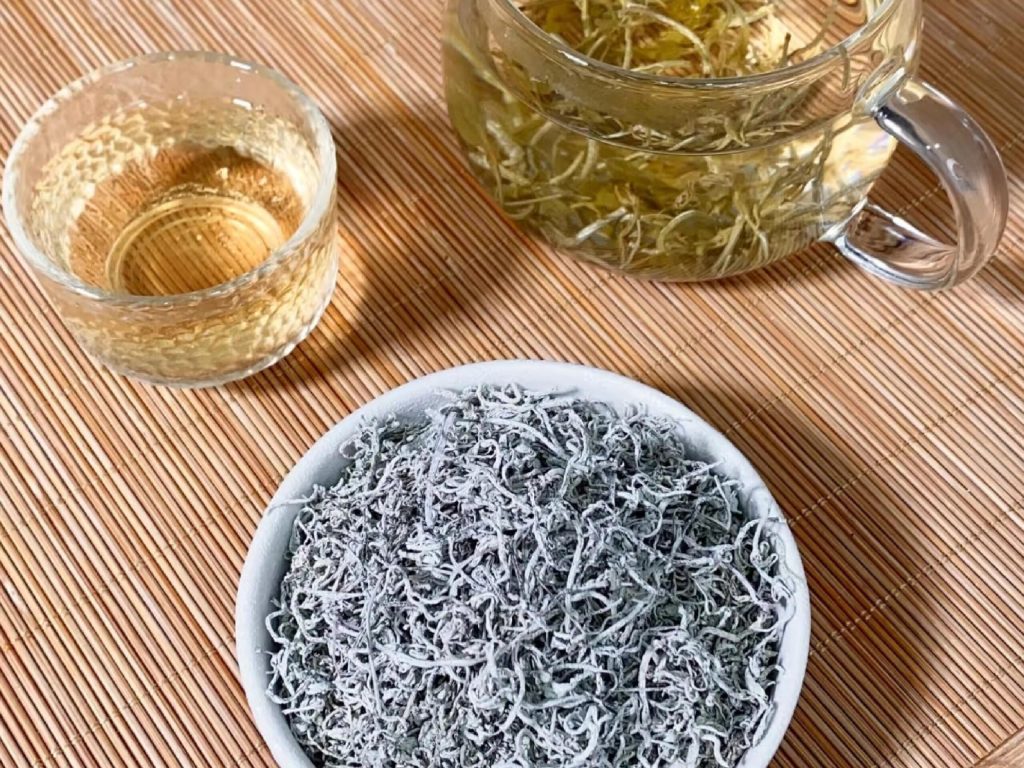
Brew it at 95°C or hotter, with 2 to 3 grams of leaf in 200 to 300 millilitres of water, for one to three minutes. The first infusion carries 70 to 80 percent of the flavonoids, so drink it rather than rinsing it. Plan on two infusions; from the third, the colour and aftertaste are mostly gone.
Will foreigners get used to it?
The look puts more people off than the taste. A writer at Cities Insider said that without warning you might think you had been handed a biohazard. I have seen the same reaction in teahouses: someone lifts the cup, sees the white flecks on top, and stops.
Those who try it usually change their mind. The same writer called the first sip “completely bizarre” and still recommends the tea. An overseas shop selling vine tea has only five-star reviews, including a customer who said the packaged tea tasted the same as the cup he had in Zhangjiajie. Vine tea has also had a run on Reddit and TikTok as a hangover drink. There is no survey of foreign visitors, so I would not claim that everyone likes it. The people who struggle usually expect the floral or roasted notes of green and black tea — mei tea smells faintly of plants — or stop at the first bitter sip before the aftertaste arrives.
A cup in town costs 10 to 30 yuan, a pot 18 to 60. The 72 Strange Buildings complex has a cluster of teahouses, but the site charges another 20 to 88 yuan to enter, so check that day’s price. Shops beside the park gates often charge two or three times the town price. Many teahouses take payment only by QR code; without WeChat Pay or Alipay, ask your hotel receptionist to settle the bill, travel with someone who can scan it, or carry cash.
It is a herbal infusion, not medicine. Chinese sources themselves say it cannot replace treatment, so read claims about blood pressure or sore throats as traditional use rather than clinical proof. Buy from a shop that will name the origin, look for an even layer of frost and, if possible, a test report.